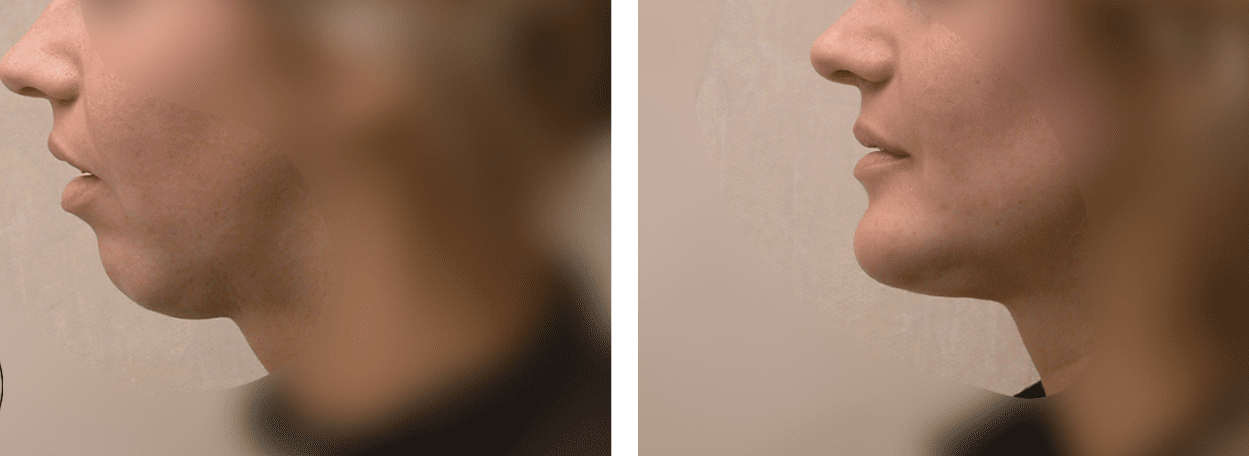
Who Are the Best Deep Plane Facelift Candidates?
A deep plane facelift is not chosen simply because someone wants to look younger. The best deep plane facelift candidates are people whose facial anatomy, degree of laxity, health, and expectations align with what this advanced surgical technique can realistically achieve: a refreshed, rested appearance that still looks like them.
For many patients, the concern is not a single wrinkle. It is the gradual descent of the cheeks, deepening folds beside the nose and mouth, early jowling, and loss of a defined jawline. When these changes are caused by deeper facial tissue movement rather than skin quality alone, a deep plane facelift may offer a particularly natural-looking option.
What Makes a Deep Plane Facelift Different?
A facelift should not merely pull the skin tighter. The deep plane technique works beneath the superficial muscular layer of the face, often called the SMAS, to release and reposition deeper facial structures. This allows the surgeon to elevate the midface, improve the jawline, and reduce jowls and deep folds with less tension placed on the skin.
The goal is not to create an overcorrected or “windblown” look. By repositioning descended tissue rather than relying on skin tightening alone, the face can appear more naturally supported. The exact technique, however, must always be adapted to the patient’s anatomy. A deep plane facelift is a sophisticated procedure, not a one-size-fits-all solution.
Best Deep Plane Facelift Candidates: Key Characteristics
The best candidate is not defined by a particular age. Some people notice meaningful lower-face laxity in their 40s, while others do not seek surgical correction until their 60s or later. Skin quality, facial structure, genetics, weight fluctuations, sun exposure, and lifestyle all influence how the face ages.
Facial descent in the midface and lower face
Patients often consider a deep plane facelift when the cheeks have flattened or descended, nasolabial folds have become more pronounced, the corners of the mouth appear heavier, or jowls have softened the jawline. These concerns may be especially well suited to a technique that addresses the deeper support structures of the face.
A patient may still have good skin texture and relatively few fine lines, yet feel that their face looks tired or less defined. In this situation, skin treatments alone may improve surface quality but cannot fully restore the position of deeper tissues.
Good overall health and realistic surgical readiness
A deep plane facelift is a surgical procedure that requires a careful medical assessment. Suitable candidates are generally in good physical health, able to undergo anesthesia safely, and prepared to follow preoperative and postoperative instructions closely.
Smoking and nicotine use deserve particular attention because they can impair blood flow and wound healing. Patients are typically asked to stop nicotine products well before surgery and throughout recovery. Certain medical conditions, medications, blood-thinning supplements, or a history of poor healing may require additional planning or may influence whether surgery is advisable.
A stable weight and a clear aesthetic goal
Significant weight changes can affect facial volume and skin laxity. Patients usually benefit from approaching facelift surgery at a weight they can maintain, rather than scheduling surgery in the middle of a major weight-loss journey.
Equally important is having a specific, realistic objective. A deep plane facelift can restore contour, lift descended tissues, and create a more rested facial expression. It cannot stop the aging process, change every aspect of facial structure, or reproduce the appearance of a much younger person. The strongest results come from a shared understanding of what surgery can and cannot do.
A preference for structural, natural-looking correction
Some patients have tried injectables, energy-based treatments, or skin rejuvenation and have reached a point where these approaches no longer address the changes they see in the mirror. Non-surgical treatments can be valuable for skin quality, volume support, and maintenance, but they cannot reposition significant tissue descent.
A deep plane facelift may be appropriate for patients who want a more durable structural correction and accept the recovery period that comes with surgery. This does not mean non-surgical care has no role. Medical-grade skincare, resurfacing, microneedling, PRP, or other tailored treatments may complement surgical rejuvenation by improving the quality and appearance of the skin.
When Another Approach May Be Better
Not every concern requires a deep plane facelift. A thoughtful consultation should identify the treatment that fits the problem, rather than fitting every patient into the same procedure.
If the main concern is fine lines, pigmentation, enlarged pores, acne scarring, or dull skin, skin-focused treatments may be more appropriate. If volume loss is the dominant issue and skin laxity is limited, carefully placed injectable treatments or fat grafting may be considered. In some patients, a less extensive facelift technique can provide a suitable improvement.
The neck also requires individual assessment. A deep plane facelift can improve the jawline and lower-face contour, but marked neck skin laxity, vertical neck bands, or excess fat may call for a neck lift or liposuction as part of the surgical plan. Similarly, heavy upper eyelids, under-eye bags, or brow descent may be better addressed with eyelid or brow surgery rather than a facelift alone.
For patients seeking facial feminization surgery, facial rejuvenation may sometimes be part of a broader treatment plan. However, facial feminization and facelift surgery have different goals. Feminization focuses on features and proportions that read as more traditionally feminine, while a facelift primarily treats age-related tissue descent. The right sequence and combination depend on facial anatomy, transition goals, and the desired degree of change.
Age Matters Less Than Anatomy
It is common to ask, “Am I too young?” or “Am I too old?” for a deep plane facelift. Chronological age offers context, but it is not the deciding factor. A healthy patient in their late 60s with appropriate anatomy and a good healing profile may be an excellent candidate. A patient in their 40s with early laxity may also benefit if their concerns are structural and they understand the commitment involved.
Surgeons assess skin elasticity, facial volume, bone structure, the position of the cheek and jowl tissues, neck anatomy, previous procedures, and scar placement possibilities. Men require equally individualized planning because beard-bearing skin, facial proportions, and incision design need careful consideration.
Previous fillers or prior facelift surgery do not automatically rule out treatment. They do, however, make a detailed surgical history especially important. In revision cases, the surgeon must evaluate scar tissue, altered anatomy, and the condition of the remaining skin and support structures before recommending a technique.
The Consultation Determines Candidacy
A high-quality facelift consultation should feel like an assessment, not a sales conversation. It begins with listening: which changes bother you, how long have you noticed them, and what kind of result would feel right to you? Photographs may be used to evaluate facial balance and to plan the surgical approach carefully.
Your surgeon should review your medical history, medications, previous facial treatments, smoking status, and recovery circumstances. You should also discuss incision placement, anesthesia, expected downtime, risks such as bleeding, infection, scarring, nerve injury, asymmetry, and the possibility that additional procedures may be recommended for balanced results.
At Singelberg Kliniek, facial surgery planning is centered on individualized anatomy, safety, and discretion. Larger procedures are performed with the support and infrastructure appropriate for hospital-based care, while the treatment plan remains personal from consultation through follow-up.
Preparing for a Meaningful Result
The right candidate is also prepared for recovery. Swelling and bruising are expected after a facelift, and the face needs time to settle. Early changes can be dramatic, but the more refined result develops gradually over the following weeks and months.
Patients should arrange practical support, allow adequate time away from social and work obligations, avoid strenuous activity as instructed, and attend follow-up appointments. Protecting the skin from sun exposure and maintaining a consistent skincare plan can help preserve the quality of the result over time.
The most useful next step is not to decide whether you “need” a facelift based on a photograph or an age range. It is to have a careful, private consultation where your anatomy, health, and goals can be evaluated together – and where the recommendation is tailored to the face you have, not a trend you are expected to follow.