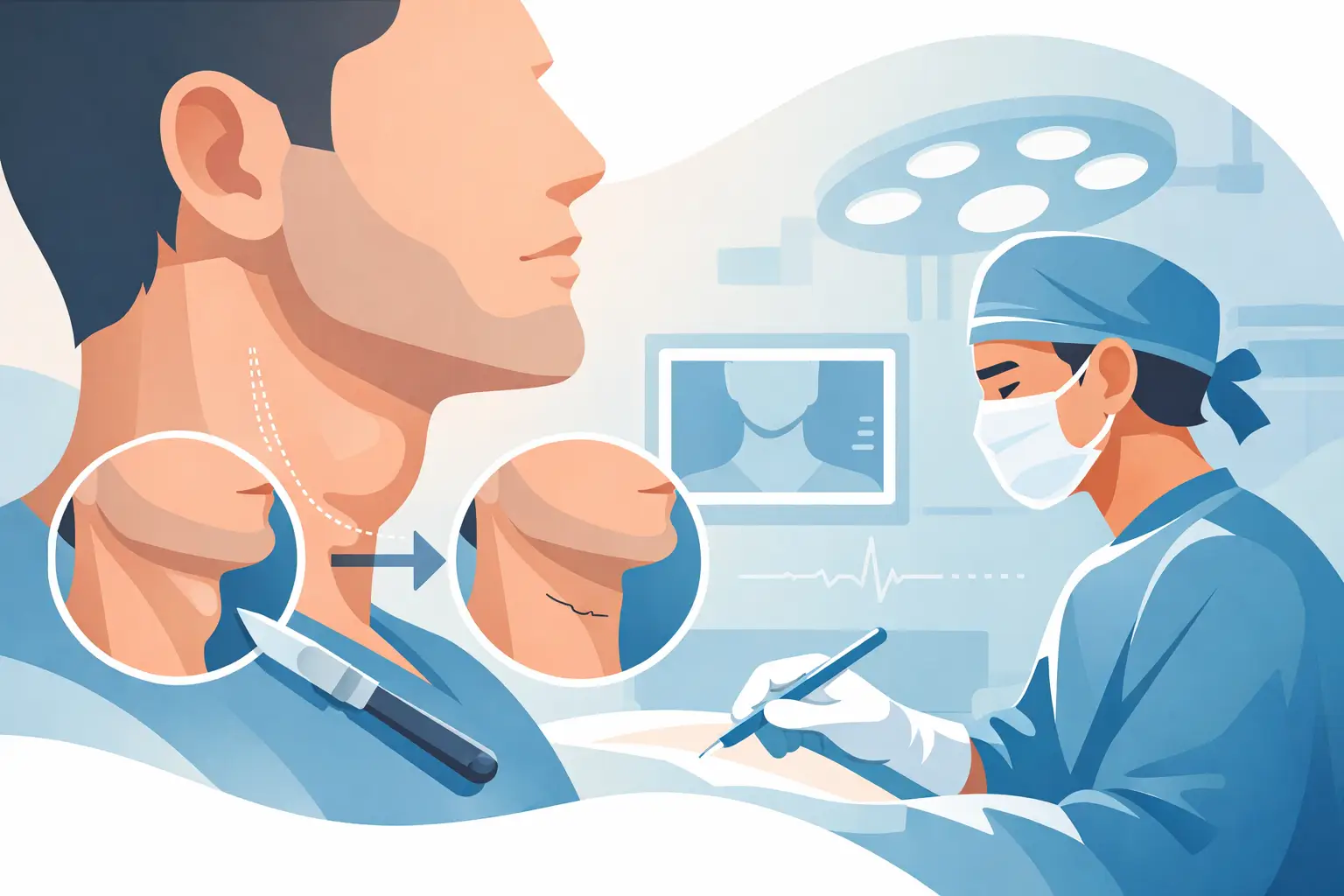
Best Options for Jaw Feminization Explained
A jaw can look broad or angular for very different reasons: prominent bone at the mandibular angles, enlarged masseter muscles, a wide or projecting chin, or a combination of these features. That distinction is the starting point when considering the best options for jaw feminization. The most effective treatment is not always the most extensive one. It is the option that addresses the structures creating the appearance you wish to change while preserving facial balance, function, and a natural result.
Jaw feminization is often part of Facial Feminization Surgery (FFS), but it can also be considered as a focused treatment. A careful consultation should evaluate the entire face, including the forehead, cheeks, lips, chin, neck, skin quality, bite, and facial proportions. The goal is not to create one standard jawline. It is to soften features in a way that feels harmonious with your identity and your face.
What creates a more feminine jawline?
A traditionally masculine lower face often has greater width at the jaw angles, stronger masseter muscles, a squarer chin, and a more prominent or vertically long lower third of the face. Feminization may involve reducing one or more of these elements. In many patients, a softer lower facial contour has a gentle transition from cheek to jaw, less angularity at the mandibular corners, and a chin that is proportionate rather than dominant.
However, facial sex characteristics vary widely among individuals and across ethnic backgrounds. A refined treatment plan respects those features. A narrow jaw is not automatically a feminine jaw, and excessive reduction can make the face look hollow, weak, or unnatural over time.
Best options for jaw feminization: surgical treatments
When the jaw’s shape is mainly determined by bone, surgery provides the most meaningful and lasting change. Imaging and physical examination help determine whether the chin, jaw angles, lower border of the mandible, or several areas should be treated.
Mandibular angle reduction
Mandibular angle reduction, sometimes called jaw contouring or jaw shaving, reduces the prominence of the back corners of the lower jaw. Through incisions placed inside the mouth, the surgeon reshapes the outer bone of the mandibular angles. This can decrease width and soften a square lower facial contour without visible external scars.
This procedure is particularly relevant for patients whose jaw looks broad even when the masseter muscles are relaxed. The amount of reduction must be planned conservatively and precisely. The jaw is not simply an aesthetic structure: it supports chewing muscles, protects nerves, and contributes to facial definition. A skilled surgeon balances feminization with a stable, natural contour.
Chin reduction and genioplasty
The chin has a powerful effect on how the entire jawline is perceived. A chin that is overly wide, long, pointed, or projected can make the lower face appear stronger, even if the jaw angles themselves are not especially prominent.
Chin reduction can reshape the bony chin by reducing height, width, or projection. In other cases, a sliding genioplasty may reposition a segment of chin bone to improve proportion. This approach can be useful when the chin needs a controlled change in several dimensions rather than simple removal of bone.
The best choice depends on your anatomy, dental relationship, soft-tissue thickness, and goals. Removing too much chin support can affect lower-lip balance and the contour of the neck. For that reason, chin work should be evaluated alongside the jaw rather than planned in isolation.
Lower jawline contouring as part of FFS
For some patients, the desired result requires contouring along more than one area of the mandible: the angles, lower border, and chin. This more comprehensive approach can create a smoother transition across the lower face. It may be combined with other FFS procedures, such as forehead contouring, rhinoplasty, cheek enhancement, or a facelift, when appropriate.
Combining procedures can offer a more cohesive facial result and may avoid multiple anesthetics and recovery periods. It also increases operative planning, recovery demands, and the need for careful medical screening. Larger surgical procedures are best performed in an appropriately equipped hospital setting with experienced anesthesia and postoperative support.
Non-surgical options for a softer lower face
Non-surgical treatments cannot reduce jaw bone. They can, however, be valuable when muscle bulk, mild contour imbalance, or early soft-tissue changes contribute to a square appearance. They may also help patients explore a more subtle change before committing to surgery.
Masseter Botox
Botox or another botulinum toxin can relax the masseter muscles, which are located at the back of the jaw and become more visible when clenching. When these muscles are enlarged, treatment can gradually reduce their bulk and make the lower face look less wide.
Results develop over several weeks and are temporary, often lasting several months. Repeat treatments are needed to maintain the effect. Masseter Botox is not a substitute for bone contouring if the jaw angles are structurally prominent, and excessive dosing may weaken chewing or create unwanted hollowing. Proper assessment of muscle activity and facial volume is essential.
Fillers and facial balancing
It may seem counterintuitive, but strategically placed filler in the cheeks, temples, or chin can make the jaw appear softer by improving overall facial proportion. For example, restoring midface support may shift visual emphasis away from a strong lower face. In select cases, subtle chin refinement can improve the transition between the lower lip, chin, and jawline.
Filler adds volume; it does not make a large bony jaw smaller. It is therefore best viewed as a balancing tool, not jaw reduction. Because the face contains important blood vessels, injectable treatments should always be performed by an experienced medical professional who understands facial anatomy and can manage complications promptly.
Skin tightening and neck refinement
Skin laxity beneath the jaw can blur a previously balanced contour or make the lower face feel heavier. Depending on the degree of laxity, non-surgical energy-based treatments may offer modest tightening, while neck liposuction, a neck lift, or facelift techniques may provide a more visible and durable refinement.
These treatments address soft tissue, not bone. They are most helpful when the concern is jawline definition, jowling, or fullness under the chin rather than a square skeletal shape.
How to choose the right approach
The choice between non-surgical care and surgery begins with an honest assessment of what is causing the concern. During a consultation, a surgeon should examine facial proportions at rest and during movement, evaluate the masseter muscles, review dental and bite history, and discuss any history of jaw pain, teeth grinding, or temporomandibular joint symptoms. Photographs and, when indicated, 3D imaging can support safe planning.
Your goals matter just as much as measurements. Some patients want a subtle reduction in angularity; others seek more comprehensive feminization. It is useful to describe the features you would like to soften rather than bringing a single idealized result. A trustworthy surgeon will also explain what should not be changed, because preserving the facial features that make you recognizable is often central to a successful outcome.
Recovery, safety, and realistic expectations
After surgical jaw contouring, swelling is expected and can be substantial in the first weeks. Bruising, temporary numbness, tightness, and a restricted soft-food diet may occur. Initial changes are visible after swelling begins to settle, but the final contour can take several months to mature.
Potential risks include bleeding, infection, asymmetry, prolonged numbness, contour irregularities, and changes in sensation related to nearby nerves. These risks are not a reason to avoid treatment when it is appropriate, but they are a reason to choose a properly trained facial surgeon, follow recovery instructions closely, and allow enough time for healing before judging the result.
For non-surgical treatments, downtime is usually limited, but the results are temporary and less dramatic. A thoughtful plan may use injectable treatment for a muscle-driven concern, surgery for structural bone prominence, or a staged combination when both anatomy and soft-tissue quality are involved.
The most reassuring next step is a private consultation centered on your own anatomy, goals, and safety. A well-planned jaw feminization procedure should never look like someone else’s face – it should allow your features to look softer, balanced, and more recognizably yours.