skip to Main Content
Nieuwsbrief: Borstvergroting Boven Of Onder De Spier?

Nieuwsbrief: Borstvergroting boven of onder de spier?
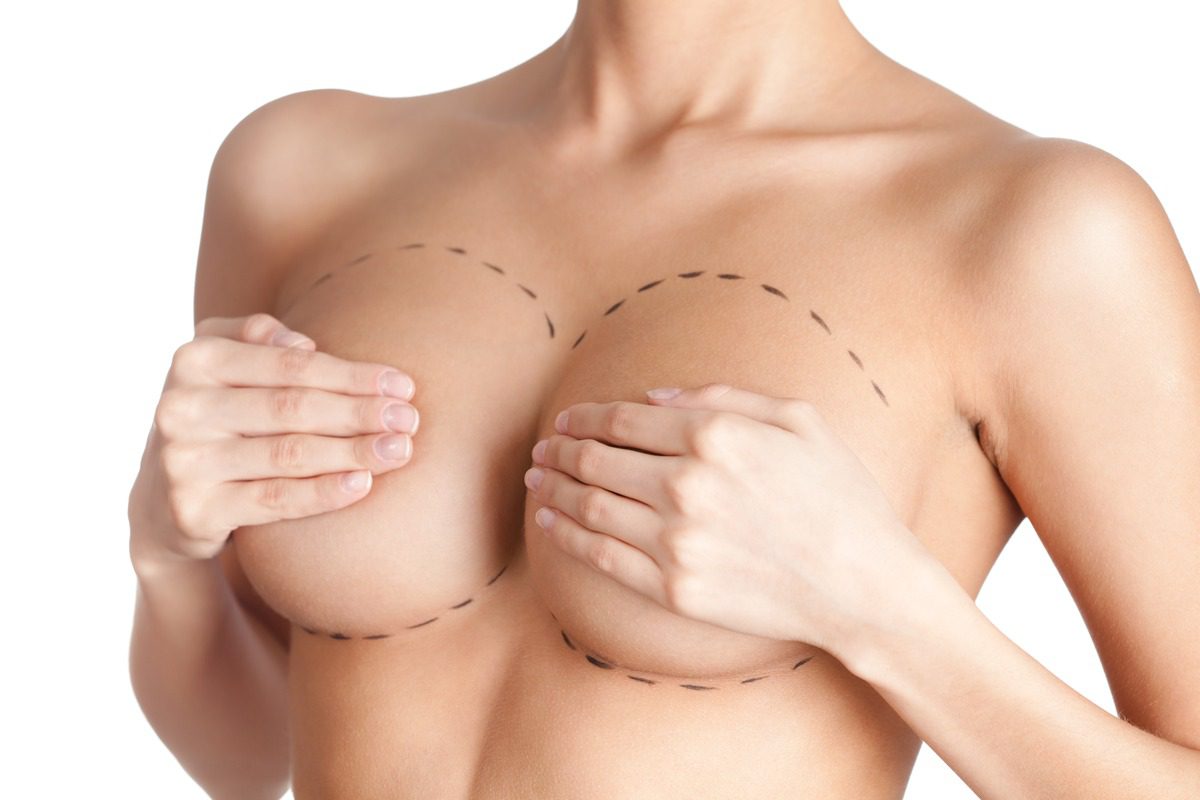

Bij een borstvergroting is één van de belangrijkste vragen: wordt het implantaat boven of onder de borstspier geplaatst?

Beide technieken hebben hun eigen voor- en nadelen.

Hieronder leggen we het verschil graag kort uit.


Plaatsing boven de spier
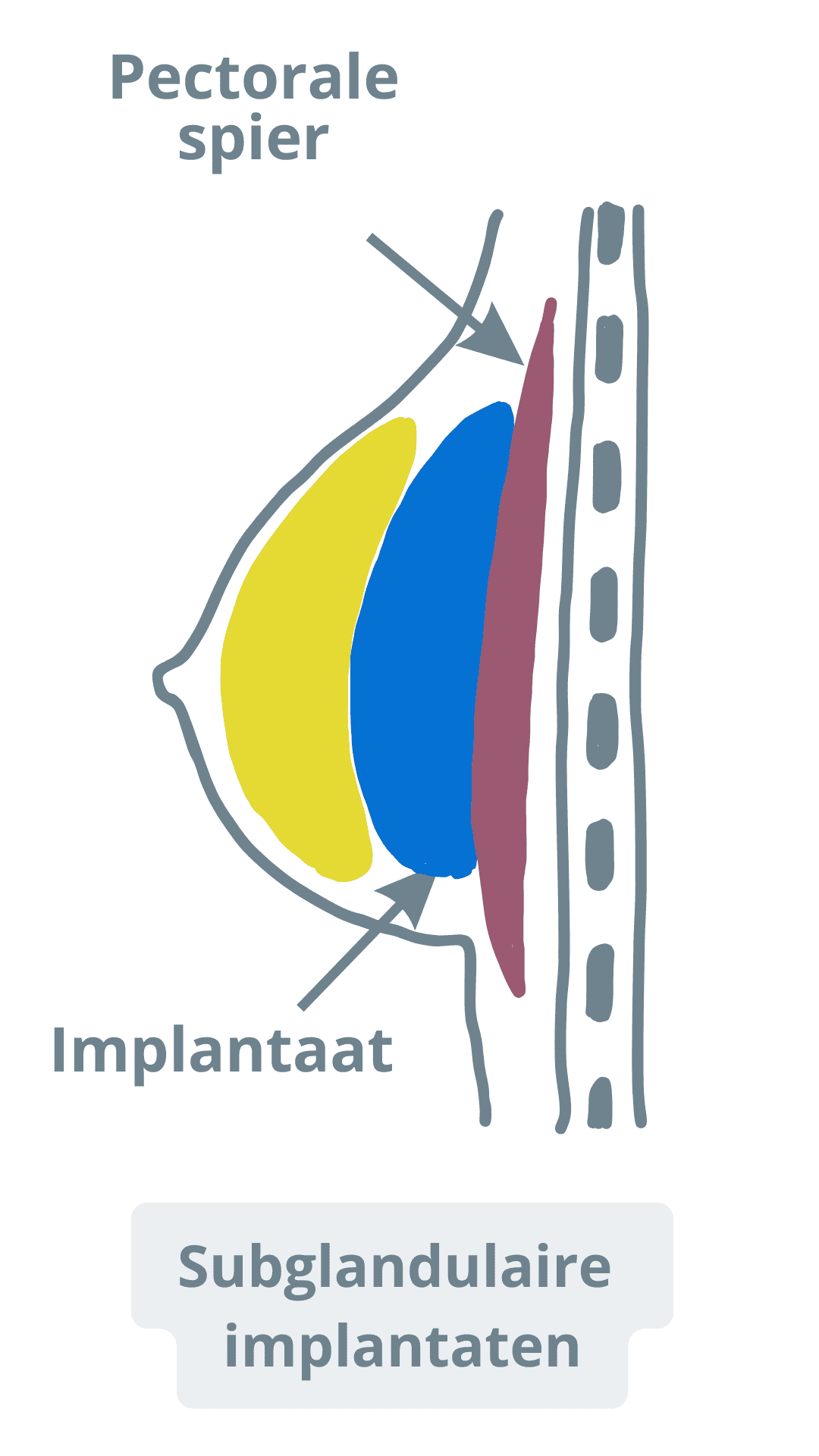
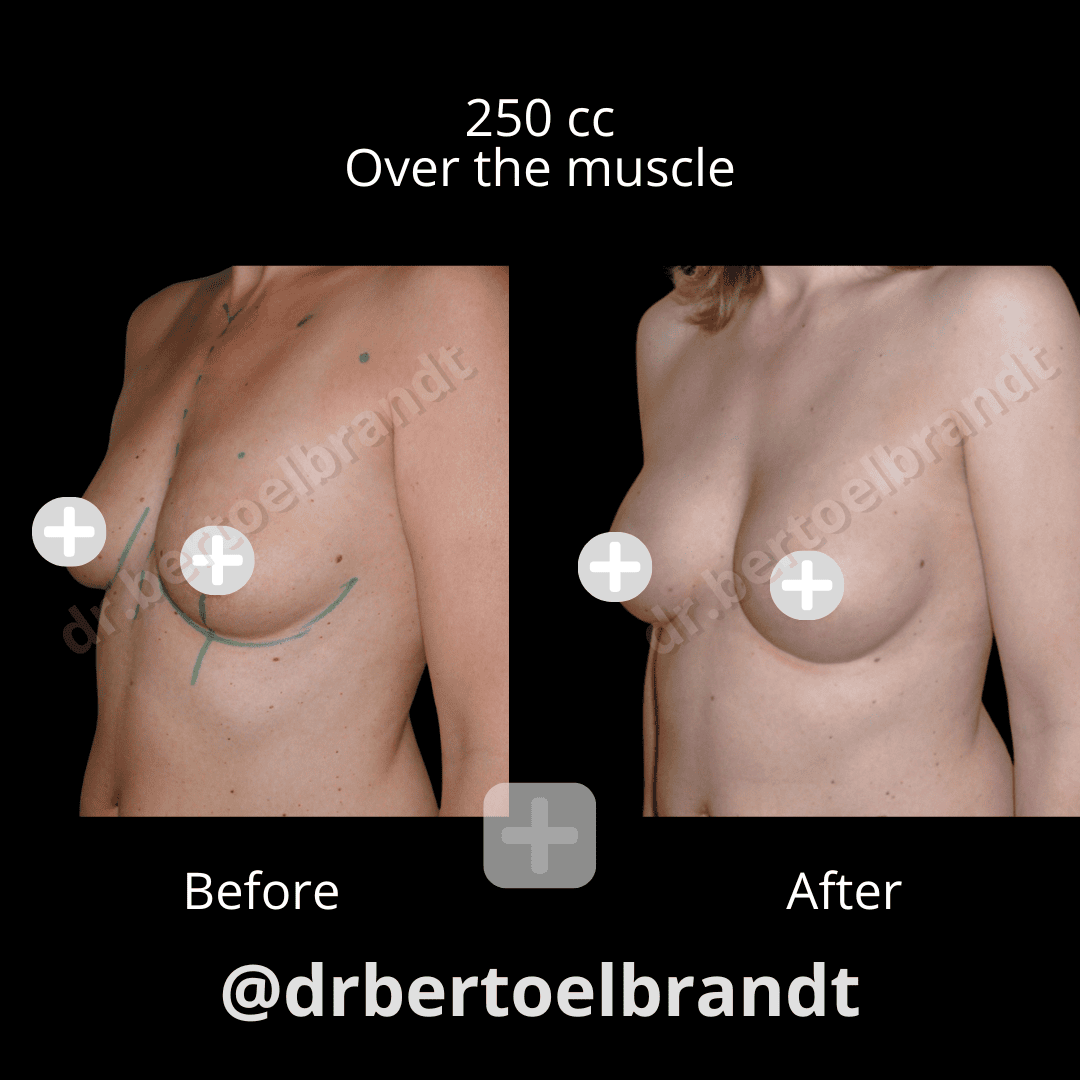
Bij deze techniek wordt het implantaat boven de borstspier en onder het borstklierweefsel geplaatst.

Voordelen (niet volledig):

  • Minder pijn

  • Nauwelijks beweging van het implantaat bij aanspannen van de borstspier

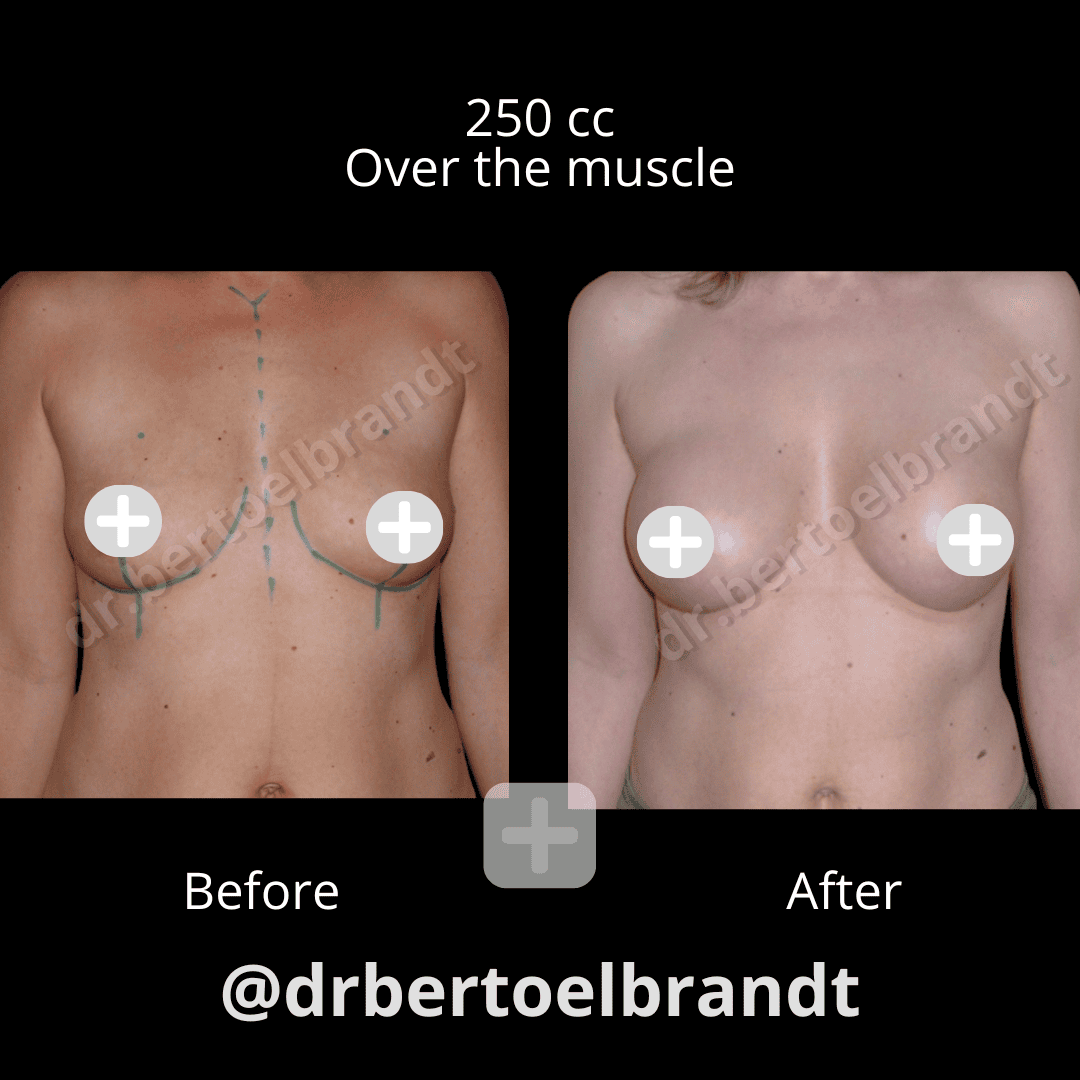
  • Is alleen geschikt wanneer er voldoende eigen borstweefsel aanwezig is. Ideaal voor kleine implantaten. (minder dan 250ml)

  • Geschikt als een druppel-vorm gewenst is.

Nadelen (niet volledig):

  • Doorzakking, vooral bij grotere implantaten.

  • Implantaat is meer voelbaar.

  • Soms kan er zichtbare rimpelvorming zijn.

Aandachtspunten:

  • bij slankere patiënten of wanneer er weinig eigen borstweefsel is, kan het implantaat soms iets zichtbaarder of voelbaarder zijn

  • in sommige gevallen is de overgang van het implantaat aan de bovenpool iets duidelijker zichtbaar


Plaatsing onder de spier

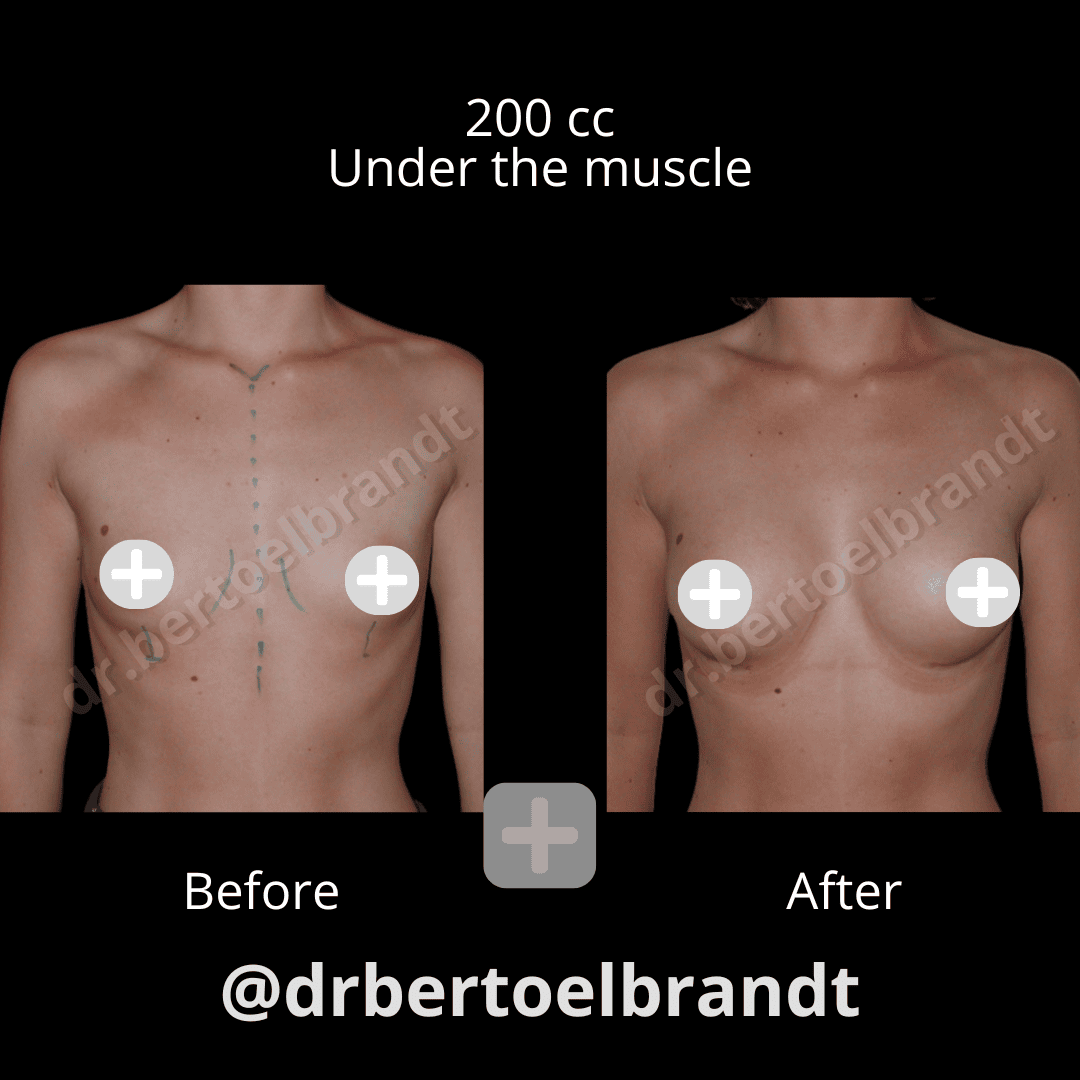
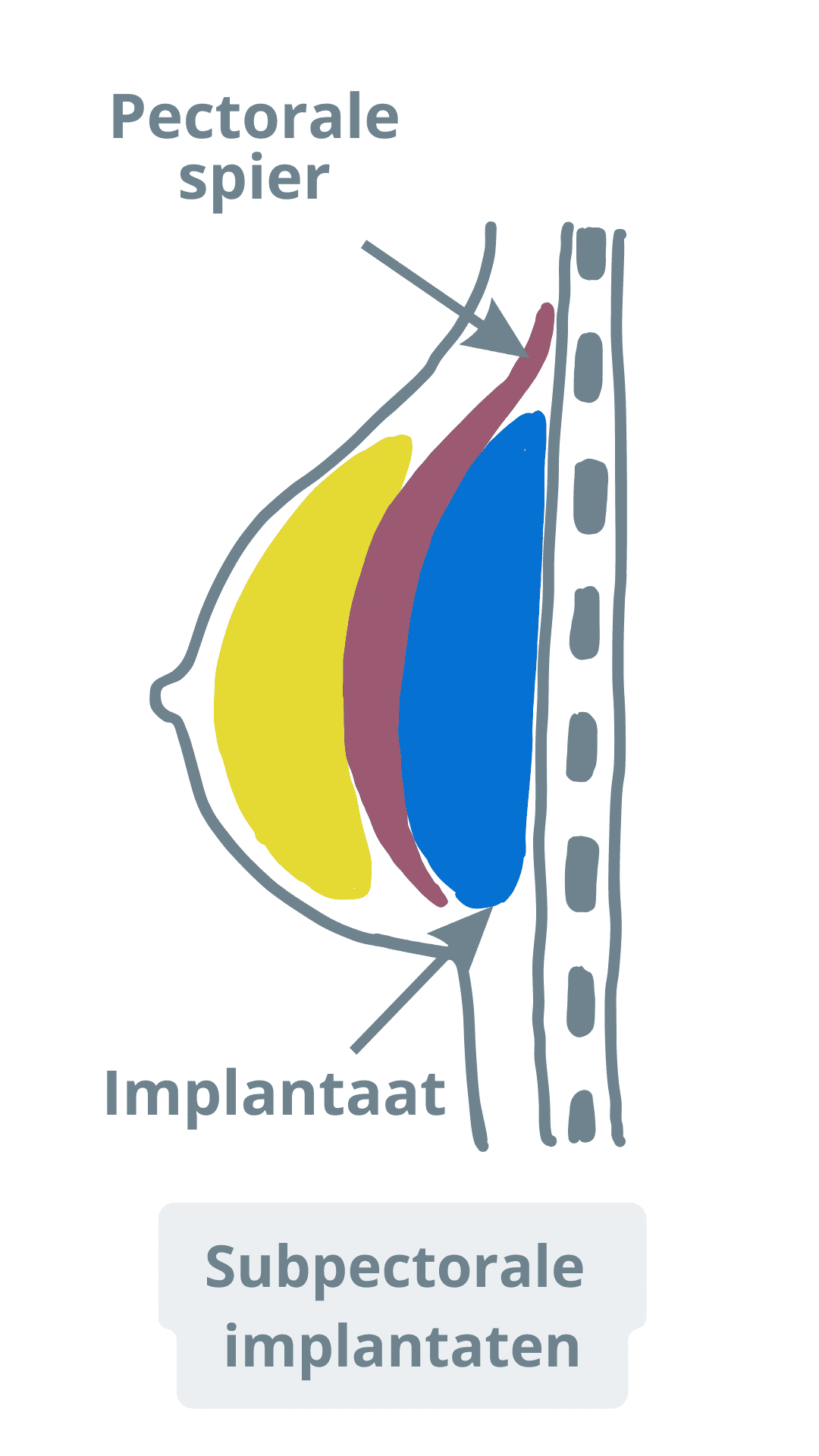
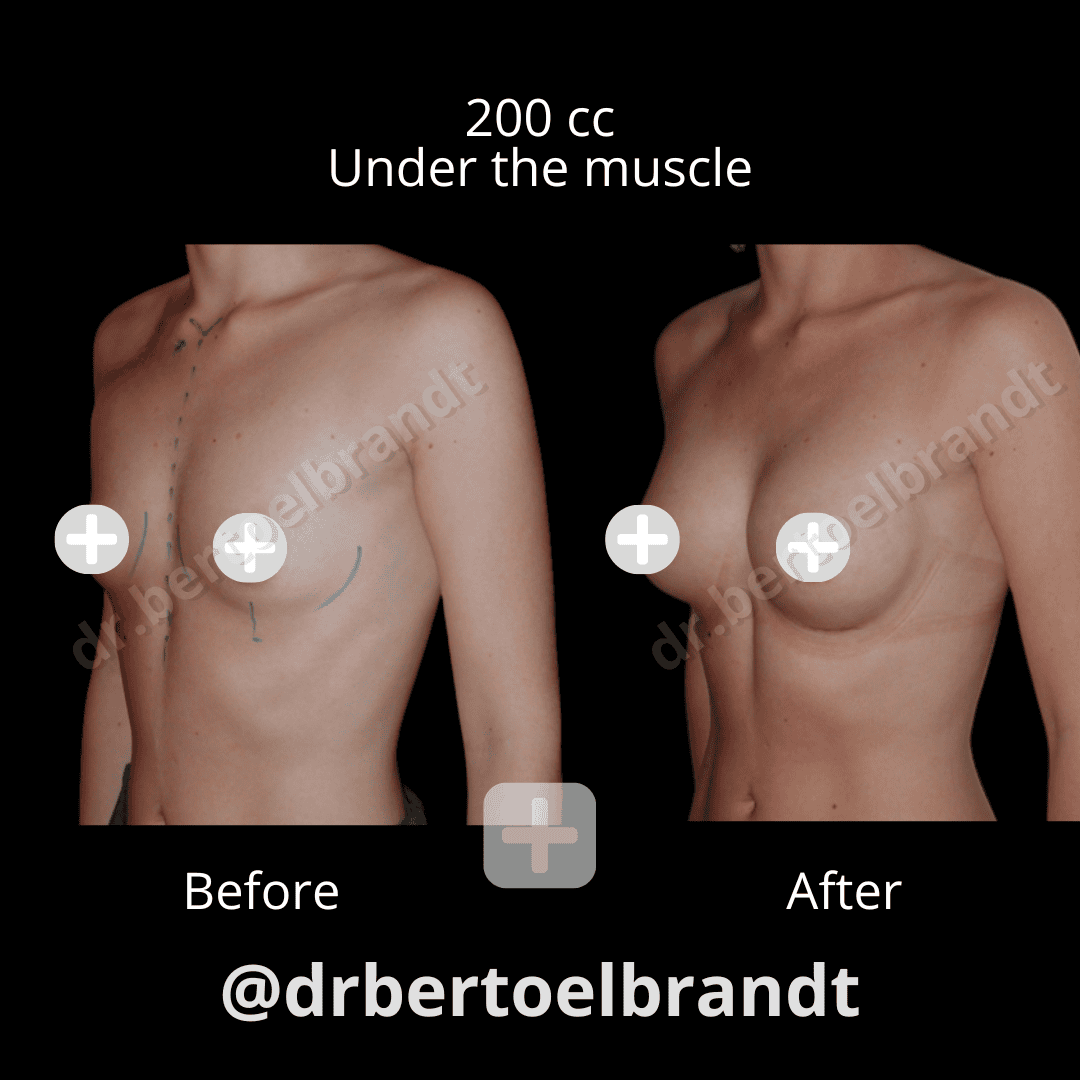
Bij deze techniek wordt het implantaat gedeeltelijk of volledig onder de borstspier geplaatst. Indien gedeeltelijk, noemt men dit ook dual plane.


Voordelen (niet volledig):
  • extra bedekking van het implantaat, vooral bij patiënten met weinig eigen borstweefsel
  • het implantaat is meestal minder zichtbaar of voelbaar
  • kan een zeer mooie en goed gedefinieerde vorm creëren, vooral ter hoogte van het decolleté en het onderste deel van de borst
  • kan op lange termijn zorgen voor een beter voorspelbare positie van het implantaat
  • geeft meer decolloté omdat het implantaat in een hogere positie zit.
  • Is aan te raden bij de grotere volumes van implantaten.
  • Ook aan te raden wanneer de huid erg elastisch is en dus ongeschikt om een prothese te ondersteunen.


Nadelen (niet volledig) :

  • Pijnlijker de eerste dagen na de ingreep.
  • Soms mee bewegen bij het aanspannen van de borstspieren.
  • Bij grotere borsten soms waterval effect.


Welke techniek is het beste?

Er is geen standaardantwoord dat voor iedereen hetzelfde is.

Dit hangt af van:

  • uw anatomie
  • de kwaliteit van de huid en het borstweefsel
  • uw levensstijl en spieractiviteit
  • het gewenste volume en resultaat


Tijdens de consultatie bekijkt de arts samen met u welke techniek het meest geschikt is om een mooi, veilig en natuurlijk resultaat te bekomen.

Newsletter: Breast Augmentation Below Or Above The Muscle?

Newsletter: Breast augmentation below or above the muscle?


In breast augmentation, one of the most important questions is: will the implant be placed above or below the chest muscle?

Both techniques have their own advantages and disadvantages.

Below, we would like to briefly explain the difference.


Placement above the muscle

With this technique, the implant is placed above the chest muscle and underneath the breast gland tissue.


Advantages include, but are not limited to:

  • Less pain
  • Hardly any movement of the implant when the chest muscle is contracted
  • Only suitable when there is enough natural breast tissue. This technique is ideal for smaller implants, usually less than 250 ml.
  • Suitable when a teardrop shape is desired.


Disadvantages include, but are not limited to:

  • Sagging, especially with larger implants
  • The implant may be more noticeable to the touch
  • In some cases, visible rippling may occur


Important points:

  • In slimmer patients, or when there is little natural breast tissue, the implant may be more visible or easier to feel.
  • In some cases, the transition of the implant in the upper pole may be slightly more visible.


Placement below the muscle

With this technique, the implant is placed partially or fully underneath the chest muscle. When it is placed partially underneath the muscle, this is also called dual plane.


Advantages include, but are not limited to:

  • Extra coverage of the implant, especially in patients with little natural breast tissue
  • The implant is usually less visible or noticeable to the touch
  • Can create a very beautiful and well-defined shape, especially in the cleavage area and the lower part of the breast
  • Can provide a more predictable implant position in the long term
  • Creates more cleavage because the implant sits in a higher position
  • Recommended for larger implant volumes
  • Also recommended when the skin is very elastic and therefore less suitable to support an implant on its own


Disadvantages include, but are not limited to:

  • More pain during the first few days after surgery
  • The implant may sometimes move when contracting the chest muscles
  • In larger breasts, a waterfall effect may sometimes occur


Which technique is best?

There is no standard answer that is the same for everyone.

This depends on:

  • your anatomy
  • the quality of the skin and breast tissue
  • your lifestyle and muscle activity
  • the desired volume and result
  • During the consultation, the doctor will assess together with you which technique is most suitable to achieve a beautiful, safe, and natural-looking result.
Back To Top