Is a Tummy Tuck After Weight Loss Right for You?
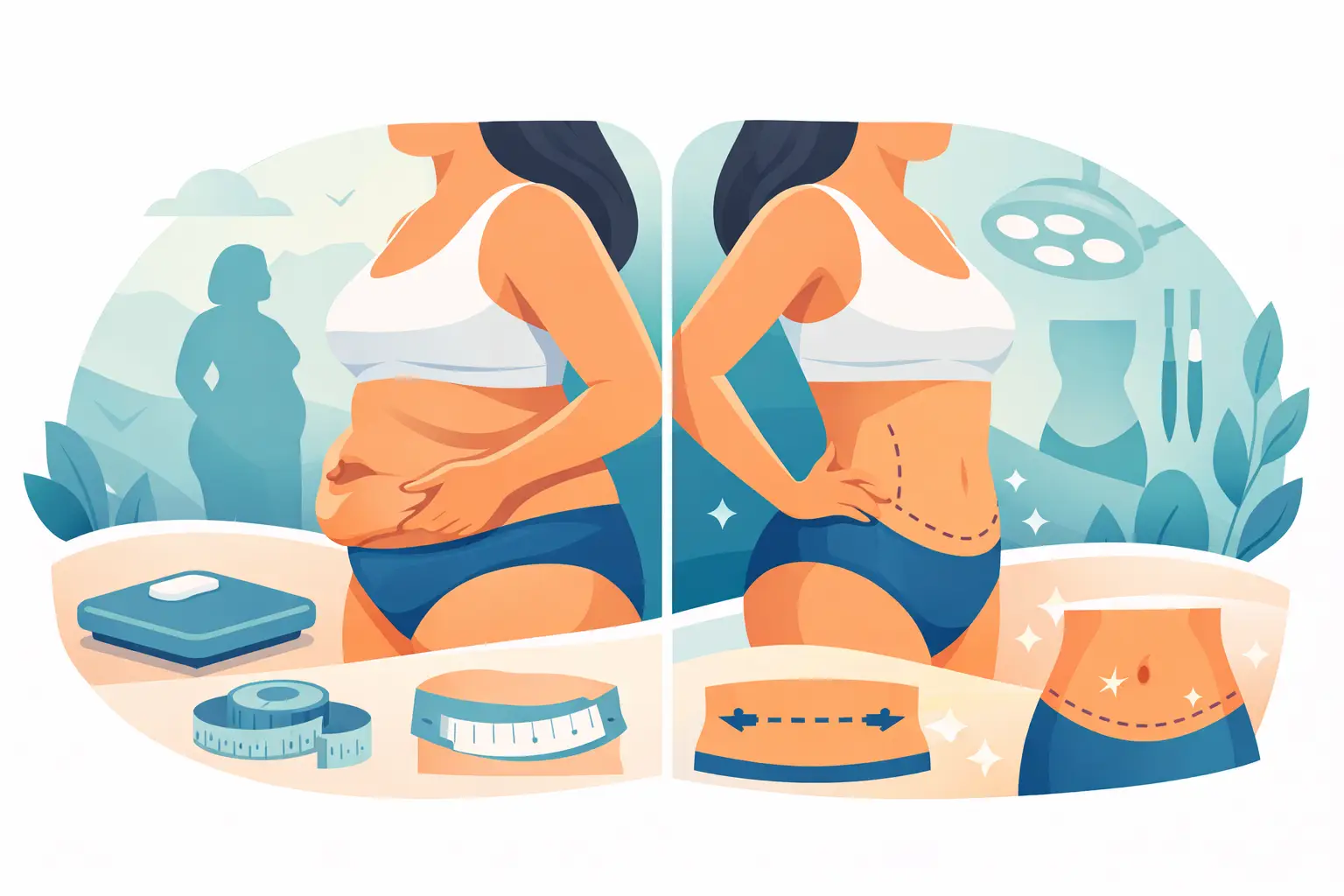
After a significant weight loss, the number on the scale may finally feel right, while the skin and tissue around the abdomen tell a different story. Loose skin can fold over the lower stomach, cause irritation, make clothing difficult to fit, or simply obscure the body contour you worked hard to achieve. A tummy tuck after weight loss can address these concerns by removing excess skin and, when appropriate, restoring support to the abdominal wall.
This is not a weight-loss procedure. It is a contouring operation designed for people whose weight is stable and who want their abdominal shape to better reflect their healthier lifestyle. The right decision depends on your anatomy, skin quality, medical history, and expectations – not on a single measurement or a before-and-after image.
When a Tummy Tuck After Weight Loss May Help
Weight loss changes the abdomen in more than one way. Skin that has been stretched for years may not fully retract, particularly after a large weight reduction, pregnancy, or changes in weight over time. Fat loss can also reveal separation or weakness of the abdominal muscles. In addition, the lower abdomen may retain a heavy skin fold, sometimes called an apron of skin.
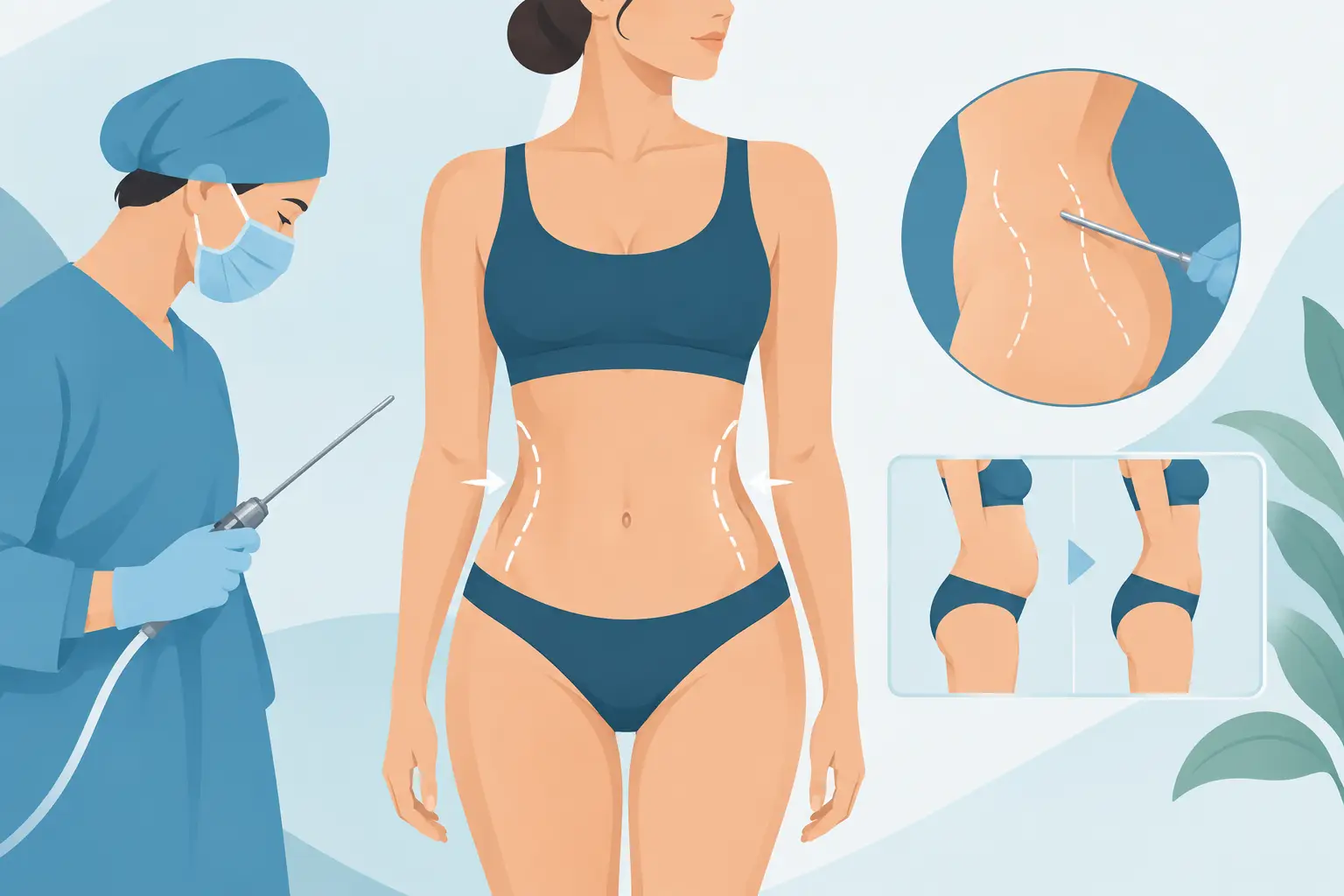
A tummy tuck, medically known as an abdominoplasty, can remove surplus skin and reshape the abdominal contour. During surgery, the surgeon may also tighten separated abdominal muscles and use selective liposuction to refine areas such as the flanks or upper abdomen. The goal is not an artificially flat appearance. A carefully planned procedure aims for a smoother, balanced, and natural-looking contour that fits your body.
You may be a suitable candidate if your weight has been stable, you are in generally good health, and excess skin is the main cause of your concern. Stability matters because substantial weight changes after surgery can stretch the remaining skin and alter the result. Many surgeons prefer to see a stable weight for at least six to twelve months, although the appropriate timeframe is individual.
Loose Skin, Remaining Fat, or Muscle Separation?
The treatment plan should match the source of the concern. If there is primarily localized fat beneath firm, elastic skin, liposuction alone may be enough to improve contour. If loose skin is the dominant issue, liposuction alone can make laxity more apparent rather than improve it.
When excess skin is concentrated below the navel, a mini tummy tuck may be considered. This involves a shorter incision and does not always require repositioning the navel. It can be a good option for a limited lower abdominal concern, but it cannot correct substantial laxity above the navel.
A full tummy tuck is often more appropriate after major weight loss. It allows the surgeon to remove a larger amount of skin, reshape the entire abdomen, and reposition the navel in a natural position. If there is marked laxity extending around the waist and back, an extended tummy tuck or body lift may be discussed. These procedures involve longer scars, but may offer a more complete improvement for the right patient.
Muscle separation, also called diastasis recti, is another factor. It is common after pregnancy but can also occur with weight changes. Repairing the abdominal wall can improve support and contour, though it is not a substitute for core rehabilitation or a treatment for every type of back pain. A physical examination is essential to distinguish muscle separation from a hernia or residual fat.
Timing Surgery After Weight Loss
Reaching a goal weight is exciting, but scheduling surgery immediately is not always the best next step. The body needs time to settle after weight loss, especially after bariatric surgery. Nutritional status also deserves careful attention. Protein, iron, vitamin B12, folate, vitamin D, and other nutrients may be low after bariatric procedures or restrictive diets, and deficiencies can affect healing.
Your surgeon may request blood work, review medications and supplements, and coordinate with your primary care physician or bariatric team when needed. Smoking and nicotine use significantly increase the risk of wound-healing problems. Nicotine in cigarettes, vaping products, patches, and gum may all be relevant, so stopping well before surgery and throughout healing is critical.
Pregnancy plans should be part of the conversation as well. A tummy tuck does not prevent pregnancy, but a future pregnancy can stretch the skin and repaired abdominal wall, potentially changing the result. For many patients, it is sensible to postpone surgery until their family is complete.
What the Procedure Involves
A tummy tuck is performed under general anesthesia. The incision is usually placed low on the abdomen, where it can often be concealed by underwear or swimwear. Its length depends on the amount and distribution of excess skin. A full abdominoplasty also typically includes an incision around the navel so it can be positioned naturally after the skin is tightened.
The surgeon lifts the abdominal skin, repairs the muscle layer when indicated, removes excess skin, and contours the remaining tissue. Drains may be used temporarily in some cases, while other techniques allow selected patients to avoid them. The most suitable approach depends on the extent of surgery and the surgeon’s assessment.
Liposuction may be combined with abdominoplasty, but only where it improves proportion without compromising blood supply to the skin. This is one reason a tailored surgical plan is safer and more effective than requesting a specific technique based solely on online photographs.
At Singelberg Kliniek, more extensive procedures are performed with the support and infrastructure of a general hospital. This offers appropriate monitoring and surgical resources while preserving the discretion and personal follow-up patients expect from a specialized aesthetic practice.
Recovery Requires Planning, Not Just Patience
Most patients can walk gently on the day of surgery or shortly afterward. Early movement supports circulation and lowers the risk of complications, but it is normal to walk slightly bent forward during the first days because the abdomen feels tight. You will need help at home, particularly if you have young children or physically demanding responsibilities.
Desk work may be possible after roughly two to three weeks for some patients, but recovery is not identical for everyone. Swelling, temporary numbness, bruising, and a feeling of tightness are expected. More strenuous exercise, heavy lifting, and abdominal training usually need to wait several weeks, with timing determined at follow-up appointments.
Scars are permanent, though they generally fade over time. Their final appearance depends on incision placement, skin type, genetics, tension on the wound, and careful aftercare. Protecting scars from sun exposure and following instructions for scar management can support the best possible maturation.
A compression garment may be recommended to provide support and help manage swelling. It should be viewed as one part of recovery, not a shortcut to healing. Attending follow-up visits is equally important, as they allow the surgical team to monitor progress and address questions early.
Understanding Risks and Setting Realistic Expectations
Every surgical procedure has risks. With abdominoplasty, these include bleeding, infection, fluid collection, delayed wound healing, unfavorable scarring, changes in sensation, asymmetry, blood clots, and the possibility of revision surgery. Risks may be higher in people who smoke, have poorly controlled diabetes, have certain medical conditions, or undergo very extensive contouring procedures.
A thorough consultation should make room for these realities. You should understand where scars will be, what improvement is realistic, and what the recovery will require. A tummy tuck can create a major change in silhouette, but it cannot guarantee perfection, erase every stretch mark, or replace a sustainable approach to nutrition and movement.
The most satisfying results tend to come from a plan that respects proportion. Some patients benefit from treating the flanks at the same time, while others are better served by focusing on the abdomen alone. Skin quality, tissue thickness, and the shape of the waist all influence the recommendation.
Questions Worth Bringing to Your Consultation
A consultation is the time to move beyond general information and evaluate what is appropriate for your body. Ask which technique is recommended and why, whether muscle repair is needed, where the scars are likely to sit, and whether liposuction would add value. It is also reasonable to ask about anesthesia, the surgical setting, recovery support, and the signs that should prompt you to contact the clinic after surgery.
Bring an honest picture of your weight history, medications, supplements, previous abdominal operations, and future pregnancy plans. The more complete the information, the safer and more personalized the recommendation can be.
A stable weight is a meaningful achievement. If loose abdominal skin continues to affect your comfort, confidence, or clothing choices, a thoughtful surgical consultation can clarify whether body contouring is the right next step – and help you choose a plan that puts safety, proportion, and lasting results first.