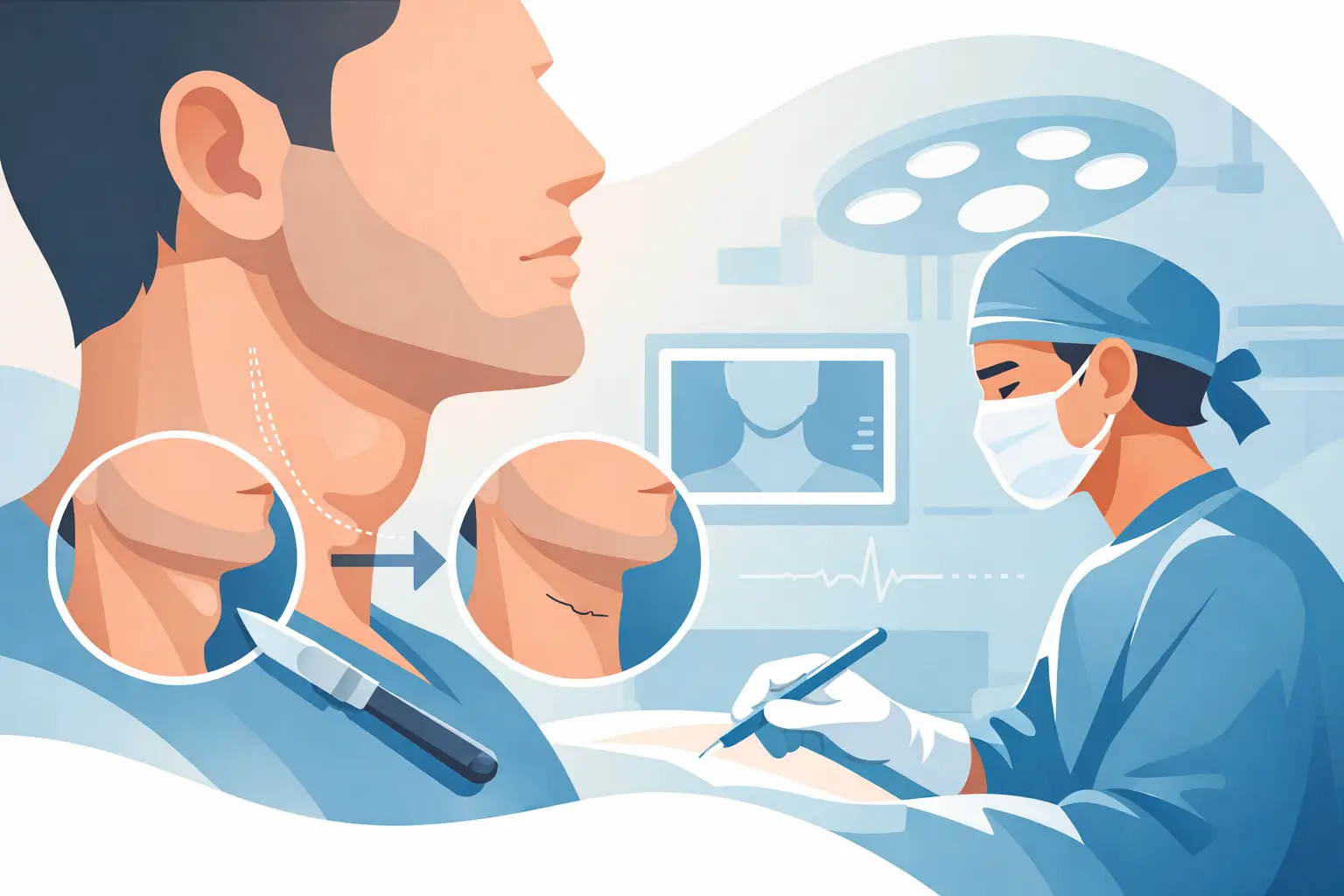
Deep Plane Facelift Before After Examples
A well-executed facelift should not make someone look like a different person. The most useful deep plane facelift before after examples show a face that appears rested, better supported, and more harmonious, while preserving the character that makes it recognizable. The goal is not to erase every line. It is to address the descent and loss of structural support that can make the midface, jawline, and neck look older than a person feels.
Before-and-after photographs can be valuable when considering surgery, but they require careful interpretation. Lighting, facial expression, camera angle, makeup, weight changes, and recovery stage can all influence what is visible. A meaningful evaluation goes beyond a striking image and asks what was corrected, how the tissues were repositioned, and whether the result remains natural in motion.
What Deep Plane Facelift Before After Examples Can Show
A deep plane facelift works beneath the superficial musculoaponeurotic system, often called the SMAS. Rather than relying primarily on pulling the skin tighter, the surgeon releases and repositions deeper facial layers that have descended over time. This approach can restore support to the cheek and midface while improving the jawline and, when appropriate, the neck.
In high-quality before-and-after examples, the changes are usually refined rather than exaggerated. The cheek may look gently elevated, the fold beside the nose may appear softer, and the jowls may no longer interrupt the contour of the jaw. The lower face can look cleaner without looking overly tight. In profile, a well-selected patient may show a more defined transition from the chin to the neck.
The most convincing results often have one thing in common: they do not announce surgery. The patient may look healthier, more alert, and less tired, but still like themselves. This is especially relevant for people who value discretion and want their appearance to reflect their identity rather than a surgical trend.
Example: Midface Descent and Deep Nasolabial Folds
A common preoperative pattern is flattening of the upper cheek combined with a deepening fold between the nose and mouth. The lower cheek can seem heavier, even in patients who have not gained weight. In a deep plane facelift result, the midface may look more supported and the fold may be softened because the underlying tissue has been repositioned.
It is realistic to expect improvement, not complete removal. Nasolabial folds are a natural facial feature, and trying to eliminate them entirely can create an unnatural appearance. Skin quality, volume loss, bone structure, and the degree of tissue descent all affect how much change is possible.
Example: Jowls and Loss of Jawline Definition
Many patients seek consultation because the jawline has become less distinct. In before photographs, jowls may create a break between the chin and the angle of the jaw. After a deep plane facelift, the lower face often appears smoother and more continuous, with better definition along the jaw.
This correction is not only about removing excess skin. When deeper tissue is repositioned appropriately, the improvement can look more stable and less pulled. However, a very heavy lower face, significant skin laxity, or substantial volume loss may require a tailored plan. In some cases, a neck lift, fat grafting, or carefully selected skin treatments may be considered alongside facelift surgery.
Example: Neck Bands and a Soft Cervical Angle
Some before-and-after examples show a neck that has lost its clean contour, with lax skin, visible platysma bands, or fullness beneath the chin. A facelift alone may improve the lower face, but neck concerns often need direct treatment to achieve a balanced result.
When a deep plane facelift is combined with a neck lift, the postoperative profile can appear more refined. The angle beneath the chin may be clearer, and the neck can look smoother. Results still depend on anatomy, skin elasticity, body weight, and the amount of submental fat. A patient with significant skin damage or very thin skin may need a more conservative expectation than someone with good elasticity.
How to Evaluate Before-and-After Photos Responsibly
The strongest photographs are taken under consistent conditions. The patient should have a neutral expression, similar head position, comparable lighting, and no obvious differences in makeup or hairstyle intended to favor one image. Front, three-quarter, side, and neck views provide a more complete picture than a single frontal photograph.
Timing matters just as much. Early postoperative images can be misleading because swelling and temporary stiffness are still present. At the same time, an image taken only a few weeks after surgery cannot show how scars will mature or how soft tissues will settle. For most patients, visible bruising improves within a few weeks, but swelling can take several months to resolve. Final refinement may continue for up to a year.
It is also helpful to look for patients with facial features and concerns that resemble your own. Someone in their 40s with early jowling and good skin quality will not have the same outcome as someone in their 60s with substantial neck laxity, marked volume loss, and sun-damaged skin. Age alone does not determine candidacy, but anatomy and tissue quality strongly influence the surgical plan.
Be cautious with images that appear dramatically transformed but offer little context. A large change may reflect several procedures performed together, such as eyelid surgery, brow lift, neck lift, fat grafting, skin resurfacing, or weight loss. Combined treatment can be appropriate, but the individual contributions should be explained clearly during consultation.
What a Deep Plane Facelift Does Not Correct on Its Own
A deep plane facelift addresses facial descent and laxity. It does not automatically correct every concern associated with facial aging. Fine lines around the mouth, sun damage, pigmentation, enlarged pores, and crepey skin are primarily skin-quality concerns. Volume depletion in the temples, lips, and under-eye area may require a separate approach.
This distinction is central to natural-looking planning. Surgery can reposition descended tissue, but it should not be used to force an answer to every aesthetic concern. Depending on the patient, a thoughtful plan may combine facial surgery with skin-focused care such as medical peels, microneedling, PRP, or other evidence-based treatments. The correct combination depends on the skin, facial structure, recovery preferences, and desired degree of change.
Scars, Recovery, and the Reality Behind the After Photo
In most facelift procedures, incisions are placed around the ear and may extend into the hairline or beneath the chin if neck work is performed. The intention is to position scars as discreetly as possible, but every incision creates a scar. Scar quality varies with individual healing, skin type, surgical technique, aftercare, and factors such as smoking.
Recovery is a process, not a single moment. Patients should plan for swelling, bruising, temporary numbness, and a period of reduced social activity. Many feel comfortable being seen after two to three weeks, particularly with styling or makeup, but this is not the same as being fully healed. A consultation should include a realistic discussion of downtime, follow-up care, and when it is appropriate to resume exercise, work, and travel.
Safety is equally important. A deep plane facelift is a surgical procedure and should be planned after a thorough medical assessment. The surgeon must consider medical history, medications, smoking status, prior facial surgery, skin quality, and the patient’s goals. Larger procedures benefit from appropriate operating-room infrastructure, anesthesia planning, and close postoperative monitoring.
Questions Worth Asking at a Consultation
A personal consultation is where photographs become relevant rather than merely aspirational. Ask to see examples of patients with similar concerns and facial anatomy, and ask how long after surgery the images were taken. It is reasonable to ask which procedures were performed, what limitations existed, and whether the result reflects a deep plane facelift alone or a combination approach.
You should also ask what changes are realistically expected in your own midface, jawline, and neck. A responsible surgeon will explain not only what can improve, but also what should be left alone to maintain a natural result. At Singelberg Kliniek, this individualized assessment is central to planning facial rejuvenation with attention to safety, facial balance, and discretion.
The most valuable before-and-after example is not the most dramatic one. It is the one that helps you understand whether a surgeon’s approach respects facial identity, works with anatomy rather than against it, and can be adapted thoughtfully to your own goals.