Improve Skin Texture Without Surgery Safely
Texture concerns rarely have one simple cause. Skin can feel rough despite looking clear, appear dull despite a careful routine, or show enlarged pores, fine lines, acne scarring, and uneven tone at the same time. To improve skin texture without surgery, the most effective approach is not to chase a single “miracle” treatment. It is to identify what is changing the skin’s surface and select treatments that respect its biology, recovery needs, and long-term health.
For many patients, non-surgical skin improvement can create a fresher, smoother, and more even-looking complexion without changing the character of the face. Results are usually gradual rather than dramatic overnight, which is often exactly why they look natural.
What Skin Texture Really Means
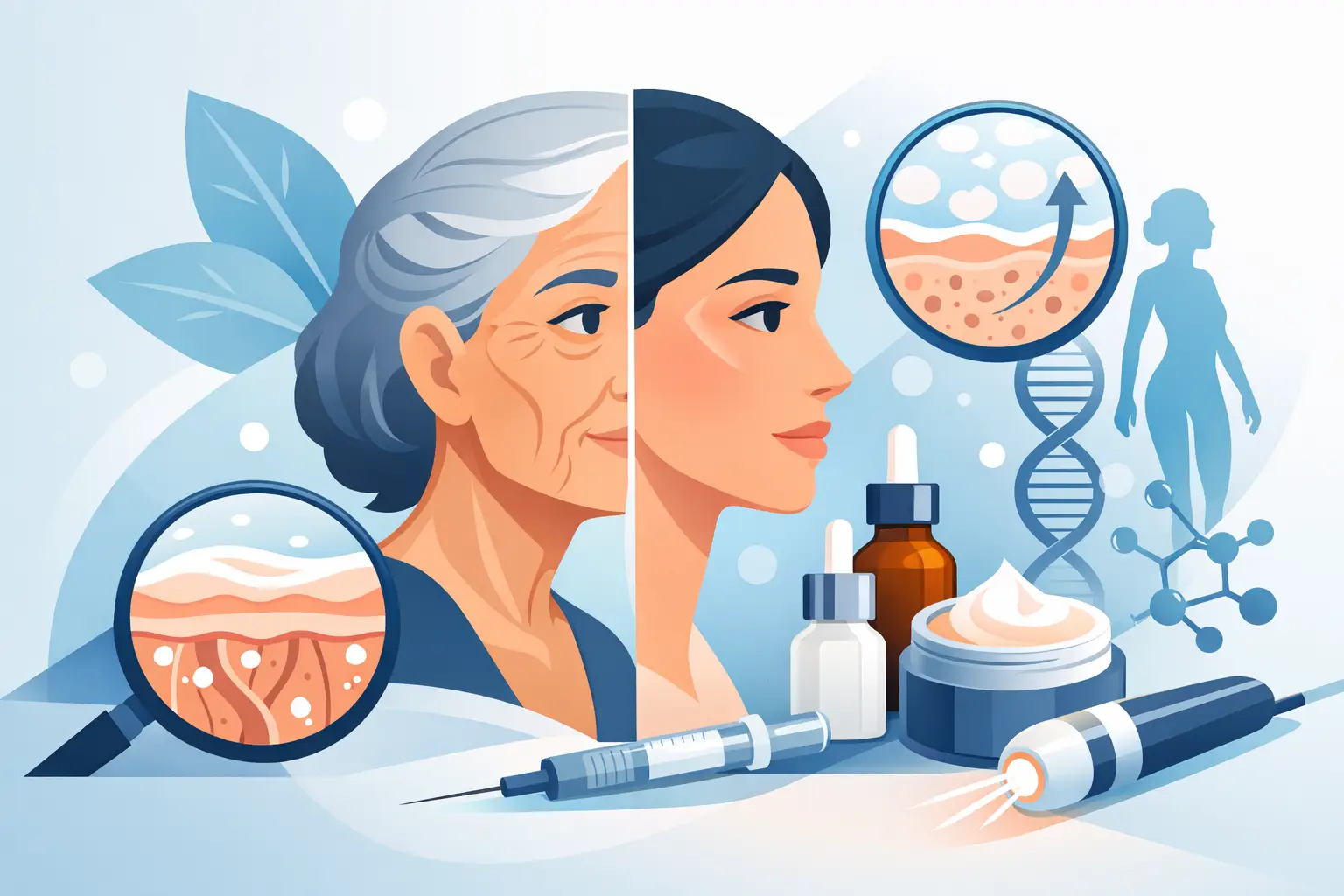
Skin texture describes how smooth, even, firm, and light-reflective the skin appears and feels. It is influenced by the outer skin barrier, the way dead cells shed, oil production, hydration, pigment, inflammation, collagen, and elastin. Age, sun exposure, acne, hormonal changes, smoking, stress, and certain skincare products can all affect these processes.
That is why “rough skin” can mean different things for different people. Fine dehydration lines may respond well to barrier-focused skincare and gentle professional exfoliation. Depressed acne scars require a different strategy than visible pores or early laxity. Melasma and post-inflammatory discoloration can make texture look less even even when the skin’s surface is relatively smooth.
A careful assessment matters because treating the wrong concern too aggressively can trigger redness, irritation, or pigment changes. Particularly for sensitive skin or deeper skin tones, treatment intensity, product choice, and aftercare should be tailored rather than standardized.
Improve Skin Texture Without Surgery: Start With Skin Health
Professional treatments work best when the skin is supported at home. A complicated routine is not necessarily a better one. The goal is consistent protection and cell renewal without chronic irritation.
Daily broad-spectrum sunscreen is central to preserving collagen and preventing uneven pigment. Ultraviolet exposure contributes to fine lines, coarse texture, dilated vessels, and spots, including on days that do not feel particularly sunny. A sunscreen that patients are comfortable applying every morning is more valuable than an ideal formula that stays in the cabinet.
A gentle cleanser, moisturizer suited to the skin type, and targeted active ingredients can also help. Retinoids may encourage skin cell turnover and support collagen production over time, while antioxidants, niacinamide, or carefully selected exfoliating acids can be useful depending on the concern. However, more active ingredients do not automatically produce better texture. Over-exfoliation can weaken the barrier, causing flaking, burning, and a persistently uneven appearance.
If acne, rosacea, eczema, or pigmentation is active, controlling that condition often comes before an intensive texture-focused procedure. Healthy, calm skin heals more predictably.
Medical Peels for Dullness, Uneven Tone, and Fine Texture
A medical peel uses a controlled chemical solution to stimulate exfoliation and skin renewal. The depth and formulation are chosen according to the patient’s skin type, goals, and tolerance for recovery. Superficial peels may be appropriate for dullness, mild congestion, superficial discoloration, and early textural irregularities. Stronger peels may address more pronounced concerns but require more preparation and downtime.
The benefit of a peel is precision. Rather than using frequent at-home scrubs that may irritate the skin, a clinician can select an approach that targets the concern while protecting the skin barrier as much as possible. Some patients see a more luminous appearance after one treatment, but a series is often recommended for more consistent change.
Peels are not appropriate for every moment or every skin concern. Active infection, severely irritated skin, recent excessive sun exposure, and certain medications can affect timing. Those prone to post-inflammatory hyperpigmentation need a particularly thoughtful plan, including skin preparation and strict sun protection afterward.
Microneedling for Pores, Fine Lines, and Acne Scars
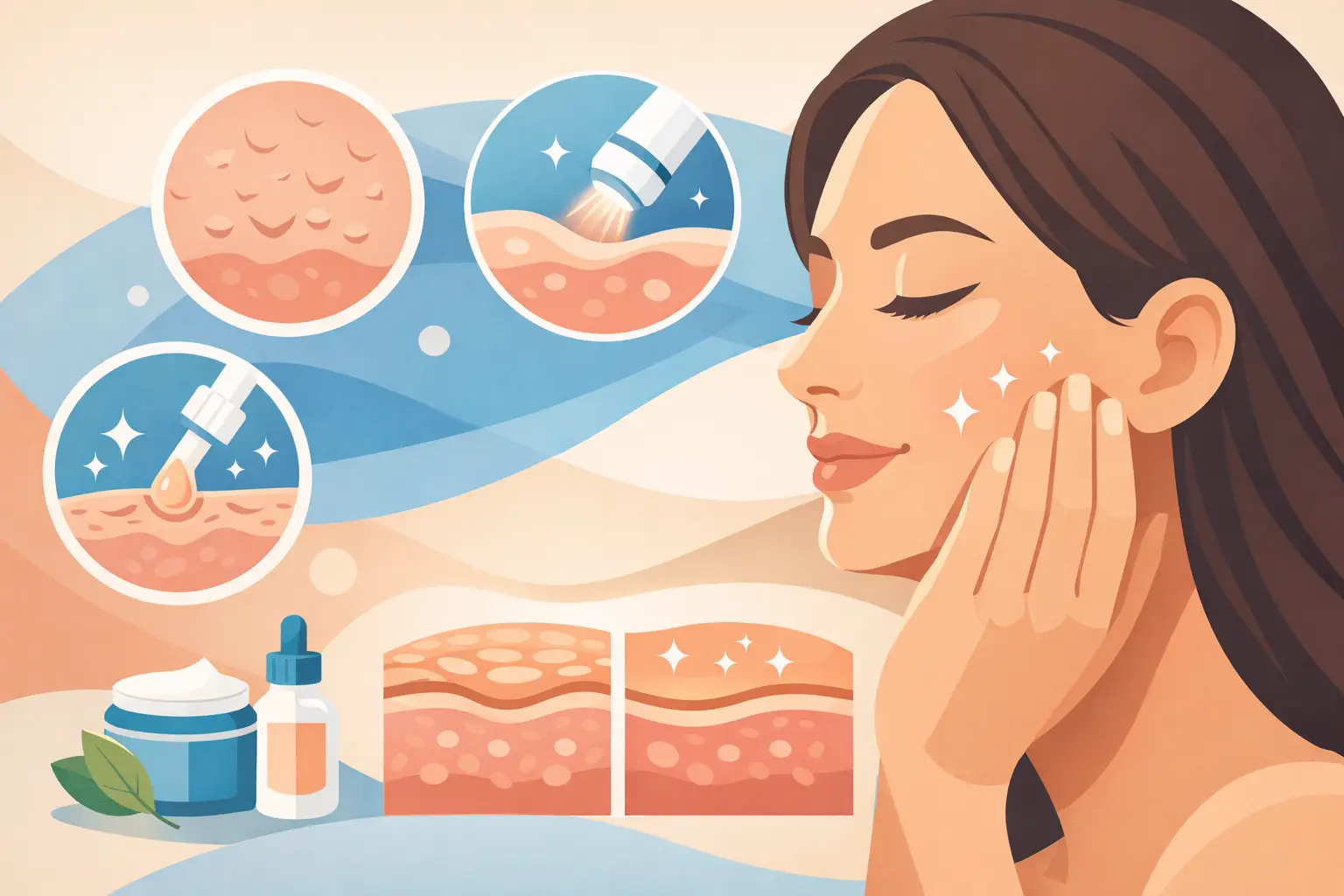
Microneedling creates controlled microchannels in the skin using fine needles. This process activates the skin’s wound-healing response, which can support collagen remodeling over time. It is commonly considered for enlarged pores, fine lines, early crepiness, and selected acne scars.
The key word is controlled. Treatment depth, device quality, technique, and sterile practice all influence both safety and outcome. Microneedling should not be performed over active inflammatory acne, active skin infection, or certain scar conditions without professional assessment.
Improvement is gradual because collagen remodeling takes time. Patients may notice temporary redness and mild swelling after treatment, followed by a smoother feel as the skin recovers. A series of sessions, spaced appropriately, is frequently more effective than a single session. Maintenance may also be advised because the skin continues to age and respond to environmental exposure.
At-home rollers cannot replicate a medical treatment’s precision or hygiene standards. They can also create avoidable inflammation when used incorrectly, especially if combined with strong active skincare products.
PRP as a Regenerative Addition
Platelet-rich plasma, commonly called PRP, uses a concentrated portion of a patient’s own blood containing platelets and growth factors. It may be applied in combination with microneedling or used through carefully selected injection techniques, depending on the treatment plan.
PRP is valued for its regenerative potential and its use of the patient’s own biological material. For skin quality concerns, it may support healing and contribute to a healthier-looking, more refined complexion. It is not a substitute for a structured plan, and outcomes vary according to the concern being treated, skin quality, age, lifestyle, and the treatment protocol.
Patients considering PRP should expect a consultation that reviews their medical history, medications, and suitability. Safety starts with proper indication and sterile preparation, not simply with the treatment itself.
When Loss of Firmness Affects Texture
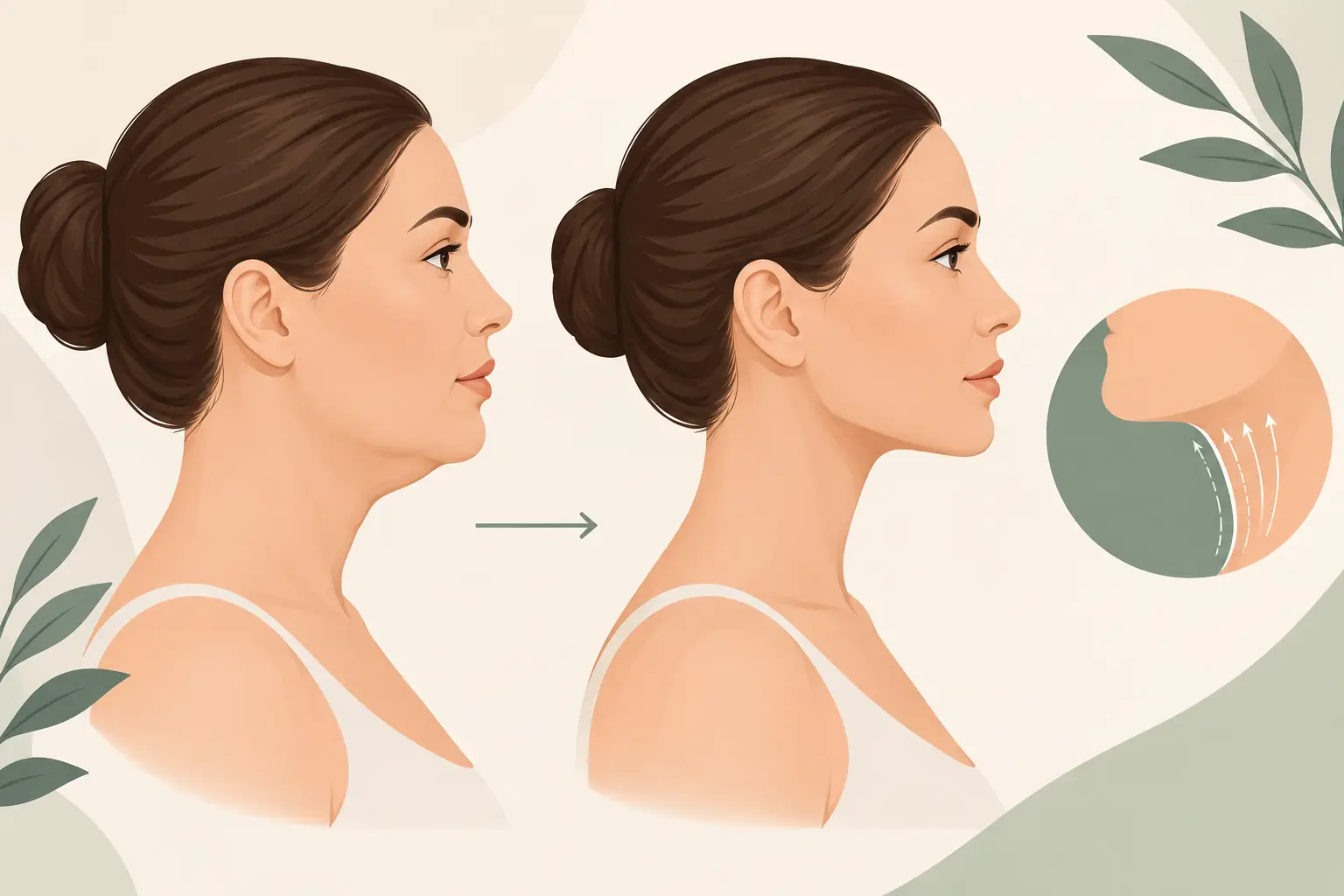
As collagen and elastin decline, skin may look less taut and reflect light less evenly. This can make pores, fine lines, and surface irregularities appear more visible. In these cases, HIFU, or high-intensity focused ultrasound, may be considered to stimulate collagen production in deeper tissue layers without incisions.
HIFU is designed primarily for mild to moderate laxity rather than acne scars or significant surface roughness. It may be a useful complement to treatments directed at the skin’s surface, but it does not replace resurfacing when scars or substantial photoaging are the primary issue. The best option depends on whether the concern is mainly superficial, structural, or a combination of both.
Why a Personalized Combination Often Gives Better Results
Texture is rarely improved by addressing only one layer of the skin. A patient with acne scars, pigment irregularities, and mild laxity may benefit from a staged plan: first stabilizing inflammation and daily skincare, then using a series of microneedling sessions, carefully timed peels, and perhaps a collagen-stimulating treatment for firmness.
Staging matters. Treatments that are individually safe can be too much when performed too close together or on a compromised skin barrier. A medically guided plan balances effectiveness with recovery, allowing the skin enough time to respond.
At Singelberg Kliniek, non-surgical skin treatments are approached as part of a broader aesthetic assessment. The objective is not to create an artificial finish, but to improve skin quality in a way that remains harmonious with the patient’s facial features, age, and preferences.
What Results and Recovery Can You Expect?
Non-surgical treatments can improve radiance, smoothness, pore appearance, superficial lines, and certain scars, but expectations should remain realistic. Deep scars, marked laxity, and extensive sun damage may improve substantially without disappearing completely. Surgical procedures may be more appropriate when a concern is primarily caused by excess skin or significant tissue descent, although surgery and skin-quality treatments can also complement one another.
Recovery depends on the treatment. A light peel may involve brief dryness or flaking, while microneedling can cause redness for several days. More intensive procedures may require a longer period of visible healing. During recovery, sun avoidance, appropriate sunscreen, gentle skincare, and following clinical instructions are essential to protect the result.
The safest path to smoother skin is a professional evaluation that looks beyond the surface. When treatment is selected for the actual cause of the concern, and performed at the right pace, better texture can look less like a procedure and more like skin that has been given the right conditions to function well.